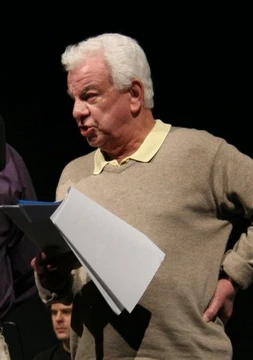
Peter Cook
Leading figure of the 1960s British satire boom.

via Wikipedia: Peter Cook · see source
Peter Edward Cook (17 November 1937 – 9 January 1995) was an English comedian, actor, satirist, playwright and screenwriter. He was the leading figure of the British satire boom of the 1960s, and he was associated with the anti-establishment comedic movement that emerged in the United Kingdom in the late 1950s. Born in Torquay, he was educated at the University of Cambridge, where he became involved with the Footlights Club, later becoming its president. In 1960, he created the comedy stage revue Beyond the Fringe alongside Alan Bennett, Jonathan Miller and Dudley Moore. The following year, Cook opened the comedy club The Establishment in Soho, and later partnered with Moore on the sketch comedy show Not Only... But Also, which earned them the 1966 British Academy Television Award for Best Entertainment Performance.
- born
- 17 November 1937, Torquay, Devon, England
- died
- 9 January 1995
- field
- Comedy, satire, acting, playwriting, screenwriting
- nationality
- English
- known_for
- Beyond the Fringe, The Establishment club, Not Only... But Also, comedy partners
Verified Timeline
Lore & Background
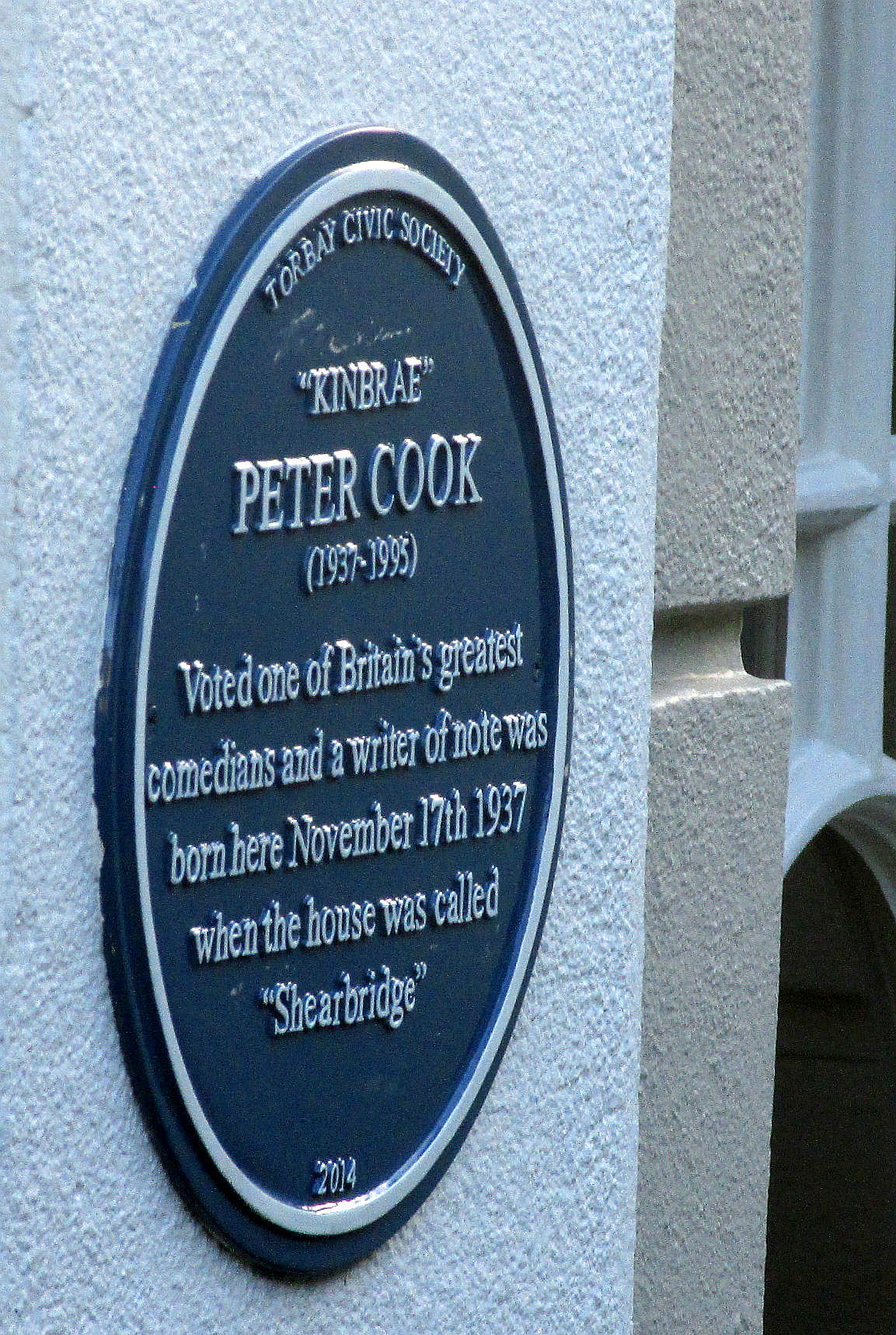
Cook was born at his parents' house, 'Shearbridge', in Middle Warberry Road, Torquay, Devon. He was the only son, and eldest of the three children, of Alexander Edward 'Alec' Cook, a colonial civil servant, and his wife Ethel Catherine Margaret. His father served as a political officer and later as a district officer in Nigeria, then as financial secretary to the colony of Gibraltar, followed by a return to Nigeria as Permanent Secretary of the Eastern Region. Cook's grandfather, Edward Arthur Cook, had also been a colonial civil servant, traffic manager for the Federated Malay States Railway in Kuala Lumpur. Cook was educated at Radley College and then went up to Pembroke College, Cambridge, where he read French and German. At Cambridge, he joined the Cambridge University Liberal Club and performed with the Footlights Club, becoming its president in 1960. While still at university, Cook wrote for Kenneth Williams, providing several sketches for Williams' hit West End comedy revue Pieces of Eight and much of the follow-up, One Over the Eight. In 1961, Cook opened The Establishment, a club at 18 Greek Street in Soho, presenting fellow comedians including American Lenny Bruce. Cook also opened an Establishment club in New York in 1963. He provided substantial financial backing for the satirical magazine Private Eye, supporting it through difficult periods, particularly in libel trials. In 1963, Cook married Wendy Snowden; the couple had two daughters, Lucy and Daisy, but the marriage ended in 1970.
Reader's Guide
Peter Cook's significance lies in his role as a central figure of the 1960s British satire boom. His stage work in Beyond the Fringe, first performed at the Edinburgh Festival in 1960, included Cook impersonating Prime Minister Harold Macmillan, one of the first occasions satirical political mimicry had been attempted in live theatre, and it shocked audiences. During one performance, Macmillan was in the theatre and Cook departed from his script and attacked him verbally. His club The Establishment provided a members-only venue outside censorship restrictions, with regular cabaret performers Eleanor Bron, John Bird, and John Fortune. Cook's television partnership with Dudley Moore on Not Only... But Also, originally intended as a vehicle for Moore's music, created dry, absurd television that proved hugely popular and lasted for three series between 1965 and 1970. Cook played characters such as Sir Arthur Streeb-Greebling and the two men created their Pete and Dud alter egos. They received the 1966 British Academy Television Award for Best Entertainment Performance. Their film collaborations included The Wrong Box (1966) and Bedazzled (1967), the latter a comic parody of Faust starring Cook as George Spigott (the Devil) who tempts Stanley Moon (Moore). Referred to as 'the father of modern satire' by The Guardian in 2005, Cook was ranked number one in the Comedians' Comedian, a poll of more than 300 comics, comedy writers, producers and directors in the English-speaking world.
Did You Know?
- Cook's father served as a colonial civil servant in Nigeria and Gibraltar, and his grandfather also served as a colonial civil servant in Malaya.
- While still at university, Cook wrote sketches for Kenneth Williams' West End revues Pieces of Eight and One Over the Eight.
- Cook opened an Establishment club in New York in 1963, with Lenny Bruce among the performers.
- Cook provided substantial financial backing for the satirical magazine Private Eye, supporting it through libel trials.
- Cook's character E. L. Wisty, a static, dour and monotonal figure, was first conceived for Radley College's Marionette Society and later featured on On the Braden Beat.
The Satire Revolution
Peter Cook was the central architect of Britain's 1960s satire explosion, a movement rooted in the anti-establishment comedy scene of the late 1950s. His breakthrough came in 1960 with Beyond the Fringe, a stage revue co-created with Alan Bennett, Jonathan Miller, and Dudley Moore. After premiering at Edinburgh, the show transferred to London to become a sensation. Its boldest element was Cook's live impersonation of Prime Minister Harold Macmillan — one of the first instances of political mimicry in theatre. The audacity peaked when Macmillan was in the audience during one show and Cook dropped his script to verbally attack him. In 1961, Cook opened The Establishment at 18 Greek Street, Soho, a members-only comedy club positioned outside censorship. It hosted acts like Lenny Bruce and Eleanor Bron and served as a springboard for Australian comedian Barry Humphries. Cook replicated the concept in New York in 1963. Offstage, he bankrolled the satirical magazine Private Eye through costly libel trials, investing his own money and soliciting contributions from friends; for a time the magazine was produced from the club's premises. By the mid-1960s, as the satire wave crested, Cook quipped that England was about to sink giggling into the sea.
The Cook-Moore Partnership
The partnership between Cook and Dudley Moore remains one of British comedy's most celebrated duos. Their television sketch show Not Only... But Also debuted in 1965, built on a deliberate contrast: Cook delivered deadpan, razor-sharp monologues while Moore provided physical buffoonery and musical interludes. The chemistry was immediate, and the pair collected the 1966 British Academy Television Award for Best Entertainment Performance. Momentum carried them into film. They co-starred in The Wrong Box (1966) and Bedazzled (1967), both of which showcased their complementary styles on the big screen. The 1970s saw the duo return for a final series of Not Only... But Also, embark on stand-up tours, and produce the Derek and Clive series of comedy albums, which extended their reach beyond the screen. After 1978, however, the collaboration effectively ended, with only a handful of cameo appearances bringing them back together. Cook continued to work steadily in British television and film, but the creative engine that had driven much of his most memorable output was no longer turning. The split marked the close of an era in which two very different comic temperaments had found a perfect counterpoint in each other.
Cambridge and the Colonial Inheritance
Born in November 1937 at Shearbridge, his family home in Torquay, Devon, Peter Cook was the eldest of three children and only son of Alexander Edward Cook, a colonial civil servant who served in Nigeria, Gibraltar, and Nigeria again. His grandfather, Edward Arthur Cook, had also been a colonial administrator, working as traffic manager for the Federated Malay States Railway in Kuala Lumpur. The stress of a promotion interview drove the elder Cook to suicide — a fact his widow kept secret for decades until Peter, researching his family history, uncovered the truth. Educated at Radley College and then Pembroke College, Cambridge, where he read French and German, Cook initially aspired to follow his father into diplomacy, later joking that Britain had simply run out of colonies. At Cambridge he joined the University Liberal Club, though he was largely apathetic politically and in later life expressed deep distrust of politicians across the spectrum. His true vocation emerged through the Footlights Club, where he wrote and performed sketches and became president in 1960. His hero was fellow Footlights writer David Nobbs. Even before graduating, Cook was supplying material for Kenneth Williams' West End revues Pieces of Eight and One Over the Eight.
Legacy and the Father of Modern Satire
By the time of his death on 9 January 1995, Peter Cook's influence on British comedy had become so foundational that it was often taken for granted. In 2005, The Guardian formally enshrined his reputation by calling him the father of modern satire, a title that captured his role in transforming political mockery from a niche theatrical stunt into a mainstream cultural force. His standing among peers was equally unambiguous. In the Comedians' Comedian poll, a survey drawing on the opinions of more than 300 comics, comedy writers, producers, and directors across the English-speaking world, Cook was ranked number one. That a satirist from a small Devon seaside town should top a global field of professionals speaks to the breadth of his impact. Cook's legacy extends beyond any single show or film. He demonstrated that a comedian could be simultaneously a playwright, a screenwriter, a club owner, a financial backer of independent journalism, and a performer of extraordinary range. His deadpan delivery, his willingness to attack power figures in real time, and his insistence that comedy operate outside the constraints of censorship set a template that British and international comedy has continued to draw from for generations.
Gallery
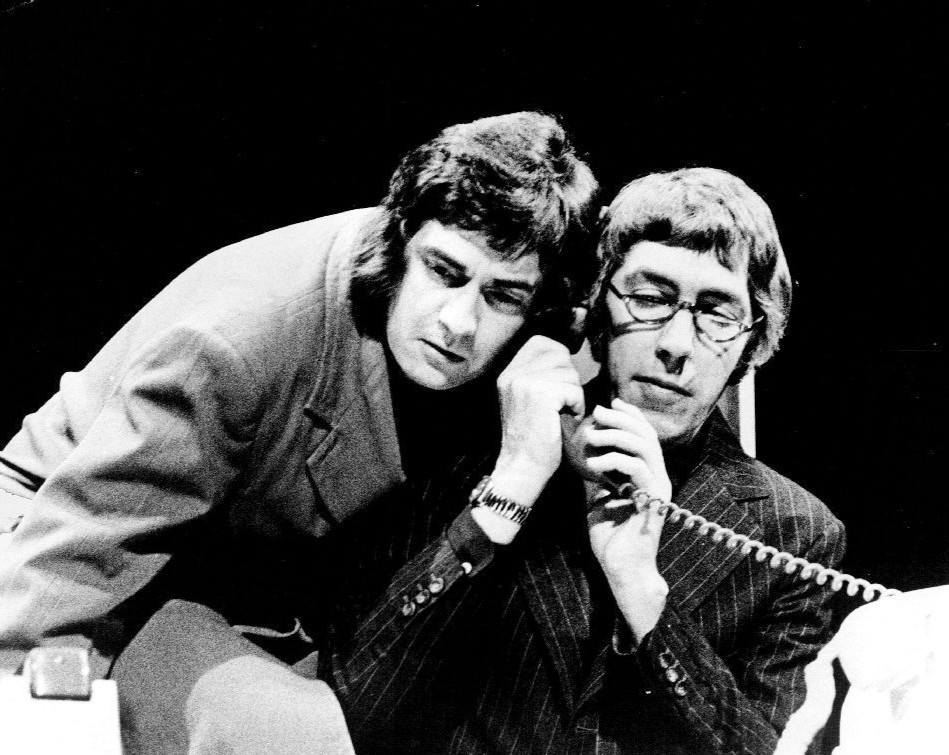
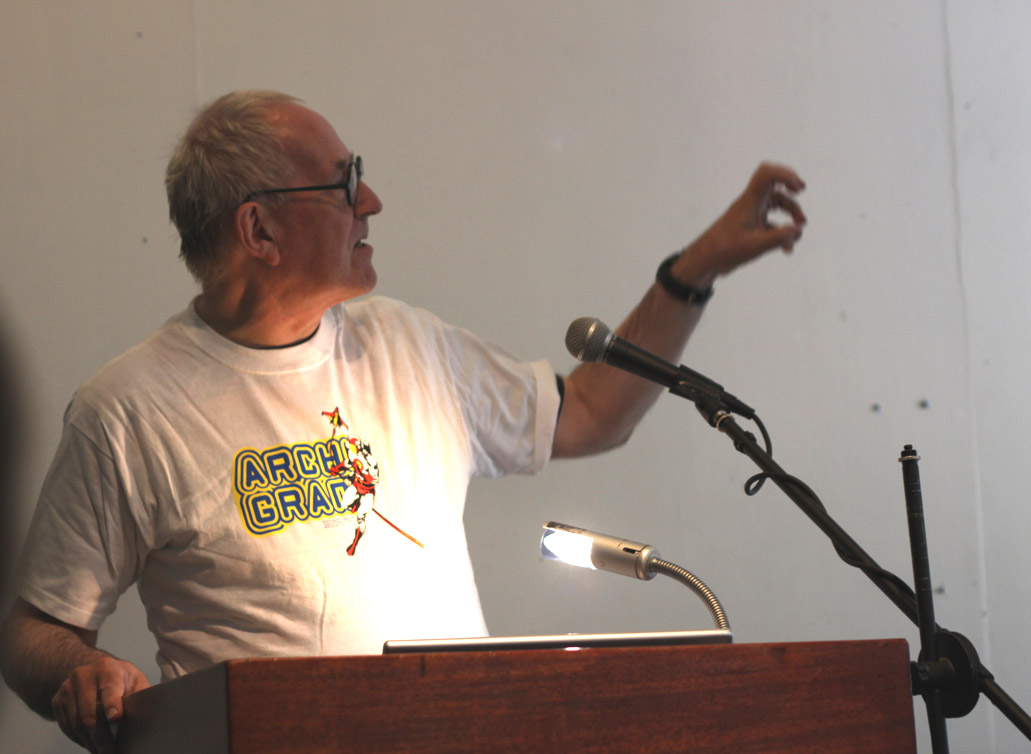
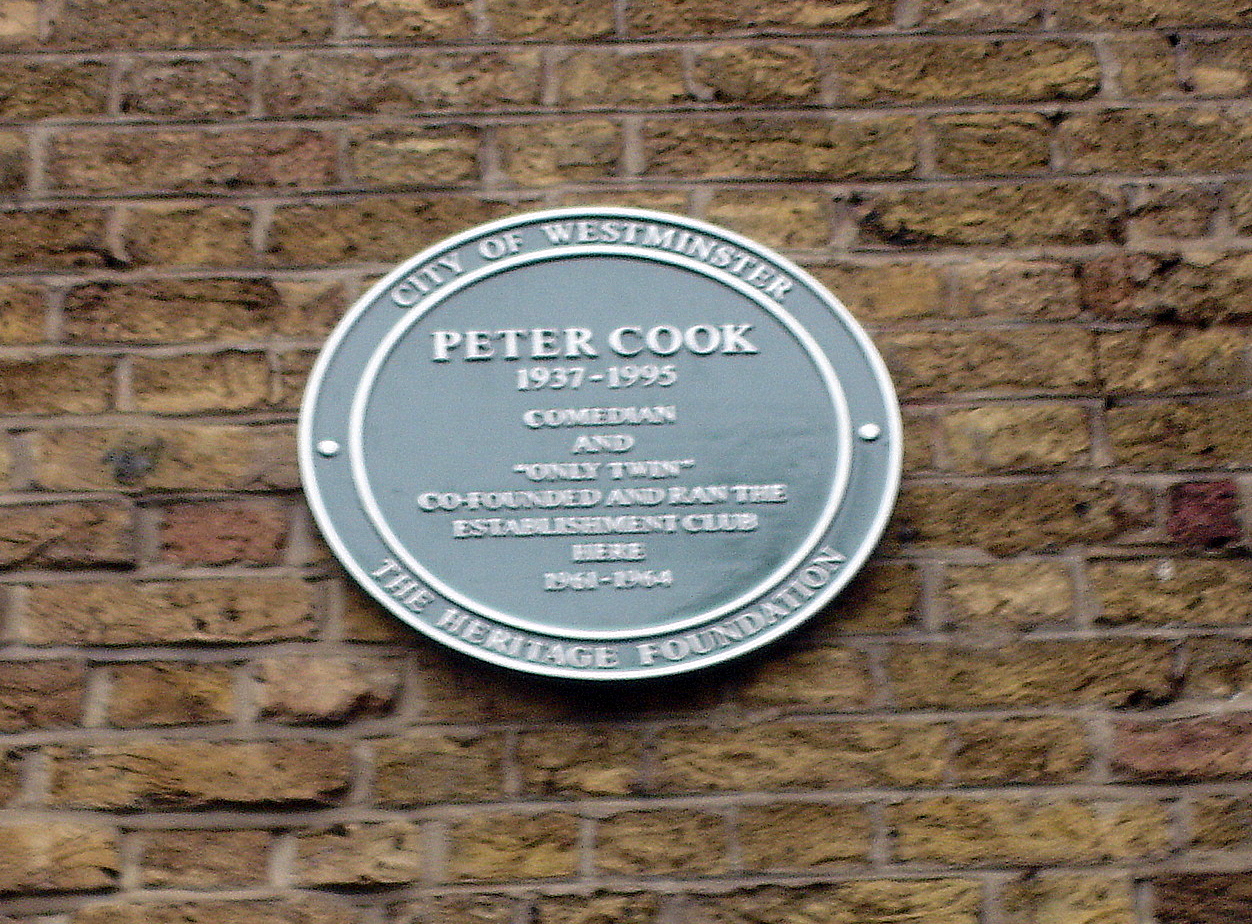
Frequently Asked Questions
Who is Peter Cook?
Peter Edward Cook (1937–1995) was an English comedian, satirist, playwright, and actor who became the central voice of Britain's 1960s satire movement. Born in Torquay, Devon, he helped reshape what live comedy could be in the UK.
What was Peter Cook's role in the British satire boom?
He was widely regarded as the leading figure of the 1960s satire wave, anchoring the anti-establishment movement that took root in the late 1950s. His work at venues like The Establishment club and on shows such as Beyond the Fringe set the tone for a generation of British comedians.
Who was Peter Cook's famous comedy partner?
His most celebrated on-stage and on-screen partnership was with Dudley Moore, with whom he co-created the iconic 'Not Only… But Also' series. Their rapid-fire, absurdist duets remain a benchmark for British comedy writing.
How did Peter Cook's life end?
Cook died on 9 January 1995, at the age of 57, from a drug overdose. His passing marked the end of a career that had spanned more than three decades of stage, television, and film.
Why is Peter Cook considered important to comedy history?
He is credited with redefining British stand-up and sketch comedy by blending sharp political satire with surreal, character-driven humour. His influence on later comedians and the structural format of British TV comedy remains deeply felt.
More in Comedy Legends 1-24
Elsewhere in the Comedy Legends universe
Spotted an error? Know more?
This is a living reference — every entry is fact-audited, and reader corrections feed straight into our audit queue. Suggest an edit · See this site's audit record