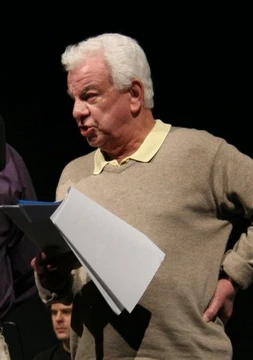
Red Skelton
Entertainer who made people laugh for 70 years.

via Wikipedia: Red Skelton · see source
Richard Bernard Skelton (July 18, 1913 – September 17, 1997) was an American entertainer best known for his national radio and television shows between 1937 and 1971, especially as host of the television program The Red Skelton Show. He has stars on the Hollywood Walk of Fame for his work in radio and television, and he also appeared in burlesque, vaudeville, films, nightclubs, and casinos, all while he pursued an entirely separate career as an artist.
- born
- July 18, 1913, Vincennes, Indiana
- died
- September 17, 1997
- field
- Entertainer, comedian, actor, artist
- nationality
- American
- known_for
- Host of The Red Skelton Show (radio and television), pantomime sketches, comedy
Verified Timeline
Lore & Background
Skelton began developing his comedic and pantomime skills from the age of 10, when he became part of a traveling medicine show. He then spent time on a showboat, worked the burlesque circuit, and then entered into vaudeville in 1934. The 'Doughnut Dunkers' pantomime sketch, which he wrote together with his wife, launched a career for him in vaudeville, radio, and films. His radio career began in 1937 with a guest appearance on The Fleischmann's Yeast Hour, which led to his becoming the host of Avalon Time in 1938. He became the host of The Raleigh Cigarette Program in 1941, on which many of his comedy characters were created, and he had a regularly scheduled radio program until 1957. Skelton made his film debut in 1938 alongside Ginger Rogers and Douglas Fairbanks Jr. in Alfred Santell's Having Wonderful Time, and appeared in numerous musical and comedy films throughout the 1940s and 1950s, with starring roles in 19 films, including Ship Ahoy (1941), I Dood It (1943), Ziegfeld Follies (1946), Three Little Words (1950), and The Clown (1953). Skelton was eager to work in television, even when the medium was in its infancy. The Red Skelton Show made its television premiere on September 30, 1951, on NBC. By 1954, Skelton's program moved to CBS, where it was expanded to one hour and renamed The Red Skelton Hour in 1962. Despite high ratings, the show was canceled by CBS in 1970, as the network believed that more youth-oriented programs were needed to attract younger viewers and their spending power. Skelton moved his program to NBC, where he completed his last year with a regularly scheduled television show in 1971. He spent his time after that making as many as 125 personal appearances a year and working on his paintings. Skelton's paintings of clowns remained a hobby until 1964, when his wife Georgia persuaded him to show them at the Sands Hotel in Las Vegas while he was performing there. Sales of his originals were successful, and he also sold prints and lithographs, earning $2.5 million yearly on lithograph sales. At the time of his death, his art dealer said he thought that Skelton had earned more money through his paintings than from his television performances. Skelton believed that his life's work was to make people laugh; he wanted to be known as a clown because he defined it as being able to do everything. He had a 70-year-long career as a performer and entertained three generations of Americans. His widow donated many of his personal and professional effects to Vincennes University, including prints of his artwork. They are part of the Red Skelton Museum of American Comedy at Vincennes, Indiana.
Reader's Guide
Red Skelton's significance lies in his long career as a radio and television host who entertained three generations of Americans. His comedy characters and pantomime sketches, such as the 'Doughnut Dunkers,' became widely recognized. He also had a separate career as an artist, selling paintings of clowns; his art dealer believed Skelton earned more from his paintings than from television. After his show ended, he made up to 125 personal appearances a year and continued painting. His widow donated many personal and professional effects to Vincennes University, which are part of the Red Skelton Museum of American Comedy in Vincennes, Indiana. Skelton defined a clown as being able to do everything, and he believed his life's work was to make people laugh.
Did You Know?
- Skelton's birth certificate surname was Eheart, his father's stepfather's name.
- He dropped out of school around age 13 or 14, around 1926 or 1927.
- His wife Edna wrote his material and taught him from textbooks to earn a high school equivalency degree.
- Skelton earned $2.5 million yearly on lithograph sales of his clown paintings.
- His art dealer believed Skelton had earned more money through his paintings than from his television performances.
Frequently Asked Questions
Who is Red Skelton?
Richard Bernard Skelton (1913–1997) was an American entertainer born in Vincennes, Indiana, who became a national figure through his radio and television programs. He is most widely recognized as the host of The Red Skelton Show, which ran from 1937 to 1971.
What was Red Skelton known for on stage and screen?
His signature style relied on pantomime sketches and a collection of recurring comedy characters he brought to life with physical mime and vocal work. He performed this material across vaudeville, burlesque, film, nightclubs, and casinos over the course of his career.
How long did Red Skelton's career span?
Skelton made audiences laugh for roughly seventy years, from early vaudeville and burlesque appearances through later television and nightclub work. His national broadcast shows specifically ran from 1937 to 1971, and he kept performing in various venues well beyond that date.
Did Red Skelton do anything besides performing?
Yes; he pursued a fully separate career as a visual artist, creating paintings and drawings independently of his entertainment work. This artistic practice ran parallel to his stage and screen career throughout his life.
Why is Red Skelton considered a comedy legend?
He holds stars on the Hollywood Walk of Fame for both radio and television, a distinction few entertainers share. His seven-decade run across vaudeville, burlesque, film, radio, TV, nightclubs, and casinos cemented his reputation as one of the most versatile and enduring figures in American comedy.
More in Comedy Legends 1-24
Elsewhere in the Comedy Legends universe
Spotted an error? Know more?
This is a living reference — every entry is fact-audited, and reader corrections feed straight into our audit queue. Suggest an edit · See this site's audit record